
Live casino brings the excitement of real-time gambling directly to your screen, offering a more immersive experience than traditional online casinos. UK players can enjoy a wide variety of live dealer games, from blackjack and roulette to baccarat and innovative game shows. Playing at a trusted live casino online combines convenience with the thrill of interacting with professional dealers. With secure platforms, top-quality streaming, and exclusive bonuses, these sites provide a safe and engaging way to enjoy real-time casino action from home.
This section explains what makes live dealing different from software tables. The sections cover the studio setup, the role of the interface, and how rounds get logged when something needs checking.
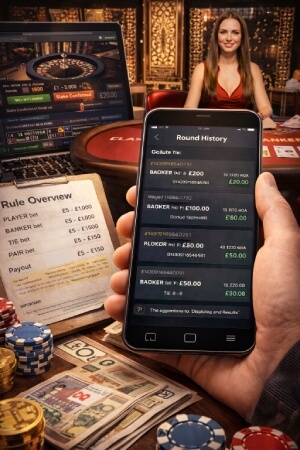
In a Live dealer casino, the table is real and the dealer is trained staff working under a studio supervisor. Cameras cover the wheel or the dealing area, and a results system captures each outcome and pushes it to every connected seat. The studio may sit inside a licensed venue or in a dedicated broadcast room. Either way, the operation follows a schedule, with table pauses, dealer swaps, and equipment checks that mirror a physical shift.
The best studios publish full rule sheets inside the table view. When a round ends, the system stores the result with a table name and an identifier, which support teams can pull if you raise a dispute.
Live casino online depends on the stream, yet the betting interface does most of the work. A live online casino should also show limits and rules before you enter. It times the betting window, confirms your chips, and records the transaction that connects your account to the table. You should see a countdown timer that stays visible, plus a confirmation message each time a bet lands. When the interface hides that detail, you end up relying on memory during a disagreement.
Look for a lobby that shows minimum and maximum bets, plus side bet rules, before you enter. That basic clarity avoids mistakes, especially on fast tables where betting closes quickly.
On well-run live casino sites, you can open your round history from the table menu or cashier. The log should show the stake, the amount, and the outcome reference. If the stream freezes, the settlement rule should state whether the bet stands or voids, based on whether the result was already captured on the studio system.
This is where an online live casino either earns trust or loses it. Brands that keep clean logs can answer questions with evidence, not with vague reassurance. An online live casino should show this log fast.
Dealer tables have tighter margins than slots, so bonus terms tend to be strict. The sections below explain how wagering is counted, which limits usually apply, and which promo styles fit live play without creating confusion.
A live casino bonus often counts only part of each stake toward wagering, and the percentage can change by table type. The key is visibility. Strong platforms publish a single contribution chart that lists each game group, plus the exact maximum bet while the offer is active. If the brand hides these numbers, you only learn them after the casino bonus is locked in.
Check how the site handles void rounds. Some track wagering only on settled rounds, which matters if a stream drop forces a cancellation.
Bonuses linked to live tables often come with a cap on the stake per round and a cap on the maximum withdrawal. Some also exclude side bets, which can catch people out when they play blackjack variants with extra wagers built into the layout. Read the cashout line carefully, then check whether the rule sits in one place or is split across several pages.
A clean promo page also shows expiry, minimum deposit, and whether you must opt in before the first bet on the table.
Cashback can suit a live casino because it rewards volume without forcing risky staking. Table races can also work, as long as the scoring method is transparent and the payout date is fixed. If the site runs missions, check whether a disconnect marks a round as cancelled, since that can drop a completed hand from the tracker.
This section focuses on the parts that matter on real dealer tables, rules, limits, pace, and visibility. The sections cover roulette, blackjack, poker, and baccarat, with practical checks you can do from the lobby before you sit down.

Roulette is often the first stop on live casino UK, partly because the table reads well on video. The lobby should show whether the wheel is single zero or double zero, and it should publish the bet closing speed. A slow close can suit mobile use, while a fast close suits desktop play with quicker chip placement.
Also check how the studio presents results. A clear last numbers panel helps you track the table without filling the screen with clutter, which matters when you play on smaller devices.
Blackjack lives on details. A live dealer casino shows the number of decks, dealer rules on soft 17, and split limits. The stream should keep the shoe and discard area visible, and the interface should show each decision with enough time to act. When the table offers side bets, the rules should state whether they settle on the main outcome or follow a separate pay table.
Baccarat works well on live casino because the pace is steady and the decisions are limited. Watch for commission rules on Banker wins and how ties settle on side bets. Some tables run no commission rules that change payout structure, which makes the rule sheet essential reading. A strong interface also shows a road map that updates per hand, plus a round history that stays easy to open.
When you see stable dealing and consistent timers, you can plan your staking without guessing when bets will close.
The flashiest studio stream does not prove anything on its own. The sections below cover licensing, payments, and support, the parts that determine whether a site resolves problems quickly or leaves you stuck.
Start with licensing details and corporate ownership, not marketing claims. A live casino UK should publish its licence number, legal entity, and regulator contact route in the footer. It should also name the studio supplier inside the lobby, since studios keep their own compliance records and rule sets. When a brand uses known studios and publishes their rules in the table view, it becomes easier to verify that the table is not a recycled feed.
If the operator hides ownership details, that is enough reason to walk away, even if the stream looks polished.
A reliable casino sites shows deposit and withdrawal methods, fees, limits, and processing times on one screen. Check whether withdrawals support the same method you use to deposit, since some card deposits pay out through bank transfer. Verification should sit inside the account area with secure upload, not through email attachments.
You want support that can work with table identifiers and round numbers, not generic script replies. Test live chat before you deposit. Ask a simple question about withdrawal timing or table limits, and see whether the agent answers with specifics. A live dealer online casino should also publish a complaint route and escalation steps, since regulators expect a defined process.
This is also the point where the best live casino stands out, because it treats support as part of compliance, not as an afterthought.
Mobile use can be excellent, yet dealer streams push a device harder than most pages. The sections below cover browser versus app play, stream settings, and the small interface choices that decide whether you can place bets accurately.

Many new casino sites products run inside a mobile browser, while some brands provide an app. Browser play avoids downloads, but it depends on how your browser handles video and whether it keeps the betting grid stable when you rotate the screen. Casino apps can handle streams well, yet they add updates and permissions. Either route should keep chips, timer, and bet confirmation text readable without zooming.
A practical test is to open a table, place a small stake, then switch to another app and back. On better builds, the timer and stake remain visible and the table does not reload mid-round.
Online video can burn data quickly, so stream settings matter. A solid online live casino lets you lower the stream quality without breaking the betting controls, and it should warn when buffering is likely. Audio cues matter too, since dealers call last bets and results. Look for a mute control that keeps key on-screen alerts active, so you do not miss a betting close because your phone is silent.
Battery drain is real on long sessions. A low data mode and an optional chat window can reduce load.
Touch targets should match real thumbs. Chips should not sit too close to the screen edge, and an undo button should stay available until betting closes. If the table supports swipe gestures, the help panel should explain them clearly. Accessibility support varies, so check whether the interface respects your device text size and contrast settings.
This is one area where a live casino UK can feel better than generic global builds, because UK-facing brands often invest more in mobile usability to meet expectations.
Safety is about more than the stream. The sections below cover account protection, fairness signals on dealer tables, and spending controls that help you keep sessions within limits.
A serious live casino uses encryption on login and payments, and it should support multi-factor authentication. Verification protects withdrawals, yet the process must be clear. The upload area should sit behind a secure login, and the site should explain what documents it needs and how long review takes. Avoid brands that ask for sensitive files through email, since that creates avoidable risk.
If the platform offers device alerts, switch them on. A notice when a new device logs in can stop account takeovers early.
Live casino online does not use RNG outcomes in the same way as software tables, yet it still needs proof. Studio games publish rule sheets, show real equipment, and store round identifiers. When a stream drops, settlement rules should state whether the bet voids or stands, based on whether the outcome was already captured.
Chat moderation also matters. A table with unmanaged spam becomes hard to use, and it signals weak operational control. A regulated brand keeps chat rules visible and enforces them.
Responsible gambling tools should sit in account settings and apply across the whole product, including live dealer casino. Deposit limits, loss limits, and session reminders work best when they take effect immediately and cannot be bypassed by switching devices. Self-exclusion should have clear durations and a route to support if you need help enforcing it.
A live casino UK should also separate temporary cool-off tools from longer exclusion periods, so you can act fast without hunting through menus.
Live casino can suit anyone who wants visible dealing and records that support disputes. Focus on licensing, studio partners, and round history first, then judge the stream and interface. If you want a regulated feel, check that the brand publishes ownership details and a complaint route, then test support with a simple question about round history before you deposit. A UK live casino can set a strong benchmark for transparency, yet the same checks apply worldwide.
Live dealer casino can be fair if licensed and audited. Live casinos let you watch the dealing process and track round IDs, while software tables rely on certified RNGs and logs.
Check table rules, limits, and bet speed. Confirm licensing, studio name, and withdrawal policies. Avoid sites where support can’t answer simple cashier questions.
Performance varies by studio and device. Ensure controls stay responsive and test your network. Avoid auto-play video that consumes data.
Live bonuses usually have lower contribution rates and stricter max bets. Check side bet eligibility and consider cashback offers over high-rollover credit.
Focus on live casino online verification, methods, limits, fees, and timelines. Make sure your deposit method supports withdrawals and that document checks are clearly explained.